
Choosing the right freight transportation method can help businesses reduce shipping costs, improve delivery times, and manage supply chains more efficiently. Road freight and sea freight are two popular options, each offering different advantages depending on the shipment size, destination, and budget.
What Is Road Freight?
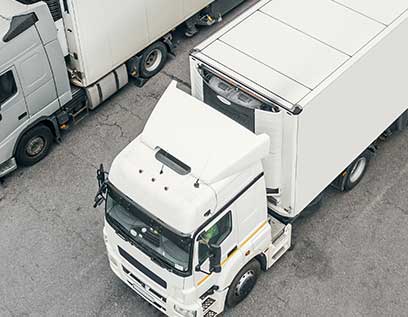
Road freight involves transporting goods using trucks and other road vehicles. It is ideal for domestic deliveries, regional distribution, and door-to-door transportation.
Key benefits of road freight:
- Flexible pickup and delivery schedules.
- Faster transportation over short and medium distances.
- Convenient access to warehouses and customer locations.
- Suitable for different shipment sizes.
Road freight is a practical choice for businesses that prioritize flexibility and timely deliveries.
What Is Sea Freight?
Sea freight involves transporting goods by cargo ships across seas and oceans. It is commonly used for international shipping, especially when businesses need to transport large quantities of goods.
Key benefits of sea freight:
- Cost-effective for large international shipments.
- High capacity for heavy and bulky cargo.
- Suitable for importing and exporting goods.
- Often lower emissions per tonne-kilometre than conventional road freight.
However, sea freight generally takes longer and requires additional planning for port handling, customs clearance, and final delivery.
Road Freight vs. Sea Freight: Key Differences
| Feature | Road Freight | Sea Freight |
|---|---|---|
| Speed | Faster for regional deliveries | Slower for most international shipments |
| Cost | Suitable for short-distance transport | Often economical for large shipments |
| Capacity | Limited by vehicle size | High cargo capacity |
| Flexibility | High | Depends on port and vessel schedules |
| Best for | Domestic and regional deliveries | International and bulk shipping |
Which Freight Option Should You Choose?
The right option depends on your business requirements. Choose road freight when you need flexible scheduling, regional delivery, or direct transportation to a specific location. Sea freight is often better for large international shipments when delivery time is less critical.
Many businesses combine both methods, using sea freight for international transportation and trucks for collection and final delivery. This approach can balance cost efficiency with convenience.
Conclusion
Both road freight and sea freight play important roles in modern logistics. Road freight offers flexibility and accessibility, while sea freight provides high capacity and competitive costs for large international shipments.
By comparing delivery deadlines, shipment volume, total transportation costs, and destination requirements, businesses can choose the most suitable freight solution for their operations.